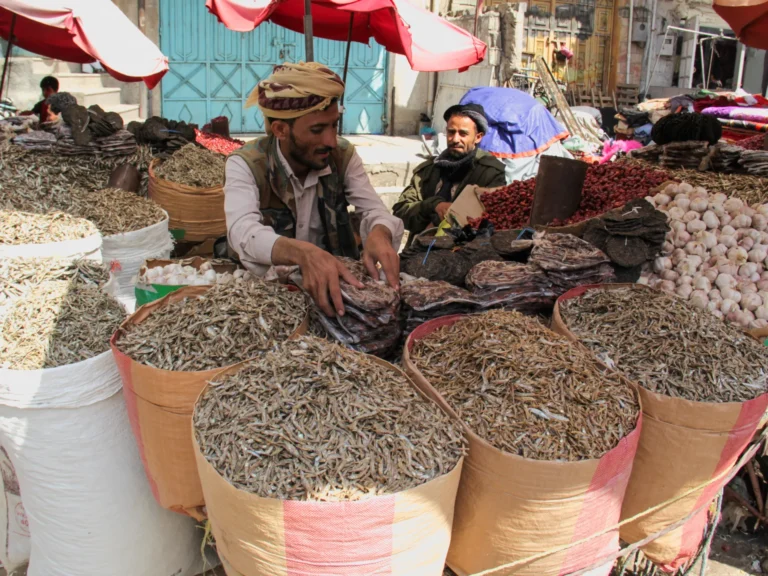

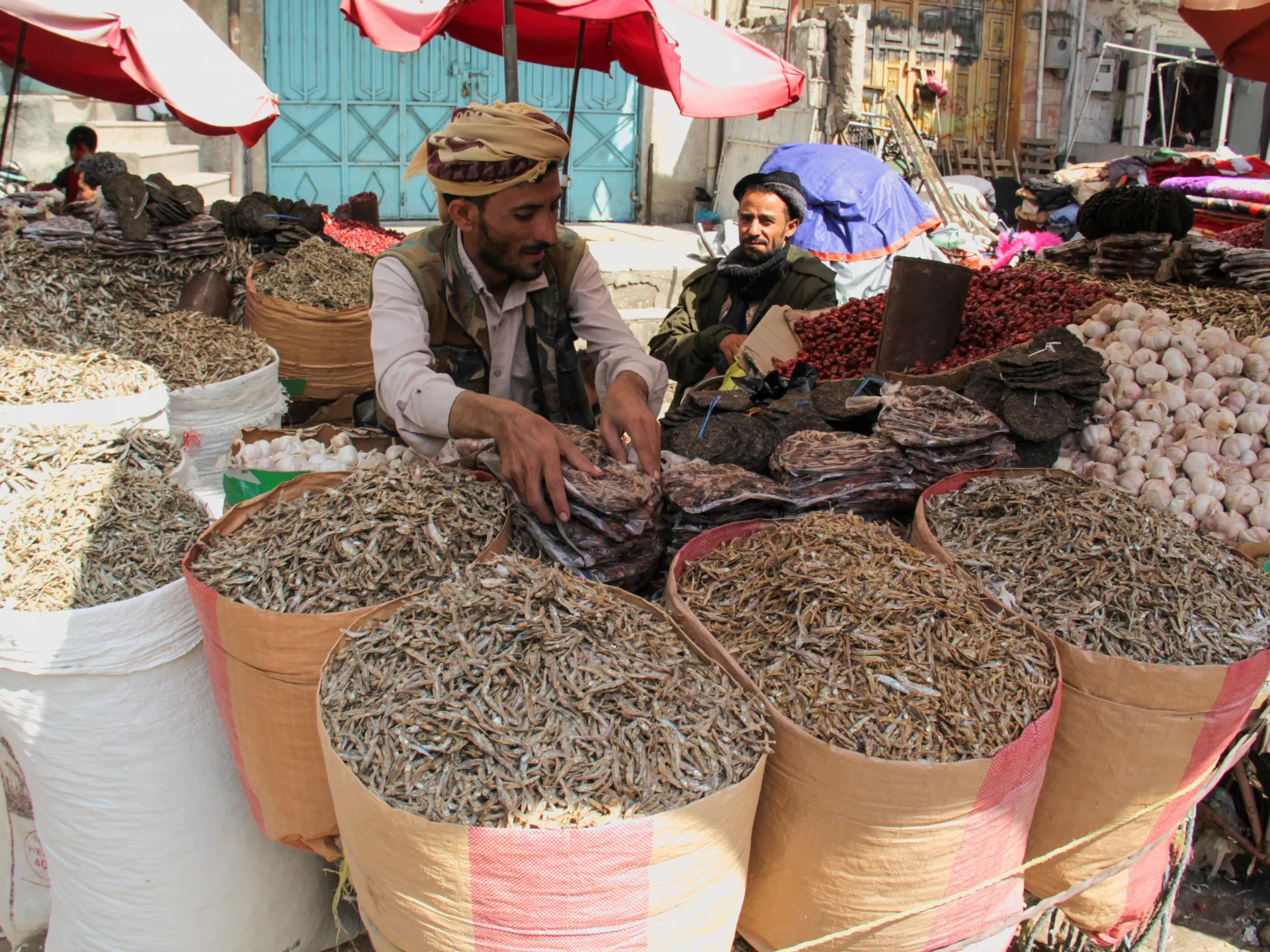
Flour and oil continue to reach markets in Sanaa and Hodeidah, but high costs, a lack of work, and reduced aid keep these essentials out of reach for residents. In Yemen’s Red Sea port city of Hodeidah, widow Umm Sami sells household goods and performs occasional domestic work to feed her four children. Rising prices have altered her shopping routine, leading her to buy small amounts of oil or flour that last only a single day because she cannot afford an entire bag.
Food remained available on shelves in markets reached by monitors in September, yet families had less money to spend, according to the Yemen Joint Monitoring Report. In Houthi-controlled areas like Hodeidah, a basket of basic foods cost about 7 percent, or $91, more that month compared to August, marking its highest level in a year. While families on both sides of the front lines face struggles, FEWS NET noted that prices are rising faster in the government-held south, whereas the Houthi-controlled north is distinguished by critically low earnings and a lack of remaining assistance.
Most households in and around northern towns find only five to 10 days of paid work each month, according to an October report by FEWS NET. Furthermore, the UN World Food Programme suspended its food assistance in Houthi-held areas in September 2025 after the group detained UN staff, leaving 73 UN personnel detained by last month, including 38 WFP workers. By mid-September 2026, the WFP had initiated a distribution round in government-held areas aimed at reaching approximately 1.7 million people, while funding cuts and restrictions continue to limit the reach of other operating aid organisations.
Local workers and vendors report severe financial strain as earnings fail to cover expenses. Ahmed Arjash, a motorcycle taxi driver near Hodeidah’s Othman market, stated that his daily earnings barely cover rent and fuel for the motorcycle because many former customers now walk to save fares. Construction worker Saleh noted that days pass without work, and wages from a single day are insufficient to cover family needs amid current prices. Similarly, fisherman Salem reported that rising costs for fuel, boats, and equipment coincide with fewer customers able to afford fish, leaving him on some trips with earnings that barely cover the cost of going to sea.
Import and transport challenges further compound the crisis, as Yemen imports about 90 percent of its food, with Hodeidah serving as the main port for the Houthi-held north. Data shows that food imports into Houthi-held areas rose 10 percent between June and August compared to the previous three months and doubled year-on-year. However, fuel imports fell about 85 percent year-on-year in August, with no recorded arrivals of diesel or petrol through northern ports. In September, Houthi authorities raised petrol prices by about 10 percent in the first increase in four years, while bread prices rose 25 percent that month. Additionally, transport times have lengthened significantly, with shopkeeper Saleh Abdullah noting that a truck trip between the south and north now takes up to a week instead of three days or less, passing extra transport and fuel costs onto customers.
Source: Al Jazeera English